Embedded Vision & Motion-Control Platform
Automated Raspberry Pi 5 microscopy platform combining imaging, motorized motion, autofocus, remote operation, and computer-vision processing.
Overview
This page is the working case-study shell. We’ll replace this text with the exact problem, requirements, constraints, and scope from your project.
System Architecture
My Contribution
- Integrated camera, Linux host, motion-control hardware, and computer-vision software.
- Implemented autofocus, image acquisition, trajectory planning, and remote system operation.
- Configured and tested remote access and streaming workflows.
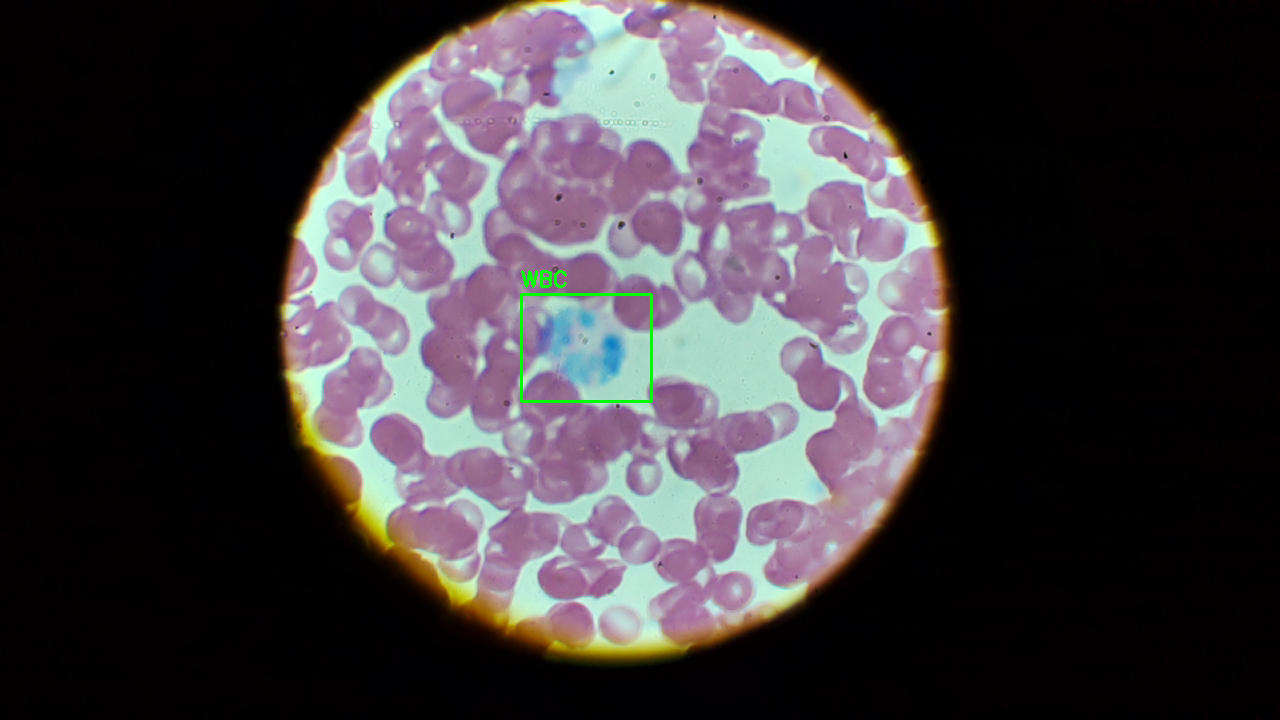
Photos & Evidence
Integration & Debugging
We’ll document 2–3 real faults you diagnosed. Good candidates include camera/streaming failures, motion-control communication problems, remote-access issues, and Linux/display/process conflicts. Throughout the process of building this design i encountered a few noteworthy problems which I will list here, the first being the autofocus inconsistancy / return-to-best error. Due to the physical mechanics of the belt and pully system of the stepper gear box and the gearbox istelf having backlash, due to the small spacing between the gears in the gearbox and the belt and pully system, the autofocus would sometimes return to a position that was not the best focus. This was solved by finding a tuned backlash compensation value for the Z stage, so when the system would return it would backstep the correct amount to ensure the best focus was achieved.
Results & Validation
Add measured or observable outcomes here: autofocus behavior, motion repeatability, streaming performance, detection output, or other system-level validation.